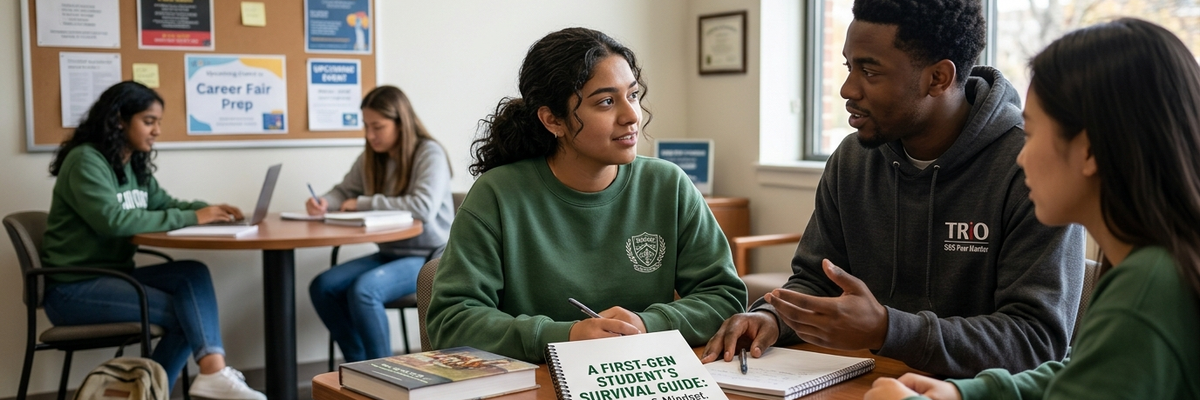
Being the first in your family to attend college is an incredible achievement. It takes courage, determination, and a willingness to navigate a system that wasn't always designed with you in mind. And it comes with a unique set of challenges that no one fully prepares you for.
Today, School Match Pro will share what first-generation college students need to know—the resources available to you, the mindset shifts that make a difference, and the strategies that help first-gen students not just survive college, but thrive beyond it.
Let's start with the numbers. First-generation students make up approximately 54% of all U.S. undergraduates—about 8.2 million students. [1] You are not a minority. You are the majority. But despite those numbers, first-gen students graduate at a rate of only 24%, compared to 59% for students whose parents attended college. [1] That gap isn't about intelligence or work ethic. It's about access to information, resources, and support systems that continuing-generation students often take for granted.
What are the specific hurdles first-gen students face? Research consistently shows that first-gen students are less likely to seek academic help, visit office hours, or use campus resources—not because they don't need them, but because they don't always know they exist or feel entitled to use them. First-gen students also report the least internship experience of any student group, which can put them at a disadvantage in the job market after graduation. [2] And financial stress is a constant companion for many first-gen students, who are more likely to be working while in school and supporting family members.
The good news is that there are programs specifically designed to help you. TRiO programs—federally funded initiatives including Student Support Services, Upward Bound, and Talent Search—provide tutoring, advising, financial aid assistance, and mentorship specifically for first-generation and low-income students. [3] If your school has a TRiO program, enroll in it. These programs have a proven track record of improving retention and graduation rates for first-gen students. First-gen student centers and peer mentorship programs are also available at many schools, offering community, guidance, and a space where you can connect with other students who understand your experience. Emergency fund assistance is another resource many first-gen students don't know about—most colleges have funds available for students facing sudden financial hardship, and you don't have to be in crisis to ask about them.
Career preparation pays off disproportionately for first-gen students. Research shows that first-generation students who complete structured career preparation programs are far more likely to land meaningful jobs after graduation, sometimes with significantly higher starting salaries than peers who didn't engage with career services. [4] Use your campus career center. Attend career fairs. Apply for internships early. These investments in your career preparation have an outsized return for first-gen students.
Let's talk about mindset. Imposter syndrome—the feeling that you don't belong or that you're not as capable as your peers—is real, and it's especially common among first-gen students. Know that it's shared by many of your classmates, regardless of their background. Build your personal board of advisors: professors, advisors, mentors, and peers who believe in you and can offer guidance when you need it. And own your story as an asset, not a liability. The resilience, resourcefulness, and perspective you bring to college are genuine strengths that will serve you throughout your career.
At School Match Pro, we understand the unique challenges and strengths of first-generation college students. We help you find programs that offer the support, resources, and community you need to succeed. Whether you're interested in nursing, criminal justice, business, or earning an associate degree, we'll connect you with schools that are committed to first-gen student success. Click HERE to find a program that's built for students like you.
[1] First Gen Forward — First-Generation Student Statistics
[2] NACE — Job Market Trends and Internship Data
School Match Pro is an educational consumer information source connecting students with programs, we do not provide direct educational services. School Match Pro is not responsible for education program content or for third party referral sources directed to School Match Pro or related pages. Educational program options vary. Programs may not be accelerated, available in all locations, or available both online and at on-campus locations. Financial aid may be available to those who qualify including grants, scholarships, and other programs. Financial aid and grants are provided directly to educational programs, not to students, unless otherwise noted. To receive financial aid and grants students must submit applications and be accepted to educational programs for which aid will be used. Employment is not implied nor guaranteed, and each program length and curriculum will vary based on the institution you select. School Match Pro offers information, ratings, and recommendations of colleges and universities at no cost to the consumer. School Match Pro receives referral, promotional, and/or advertising revenue from some of the schools that we review.



